Permits and fines guide for Ickenham removals on restricted streets
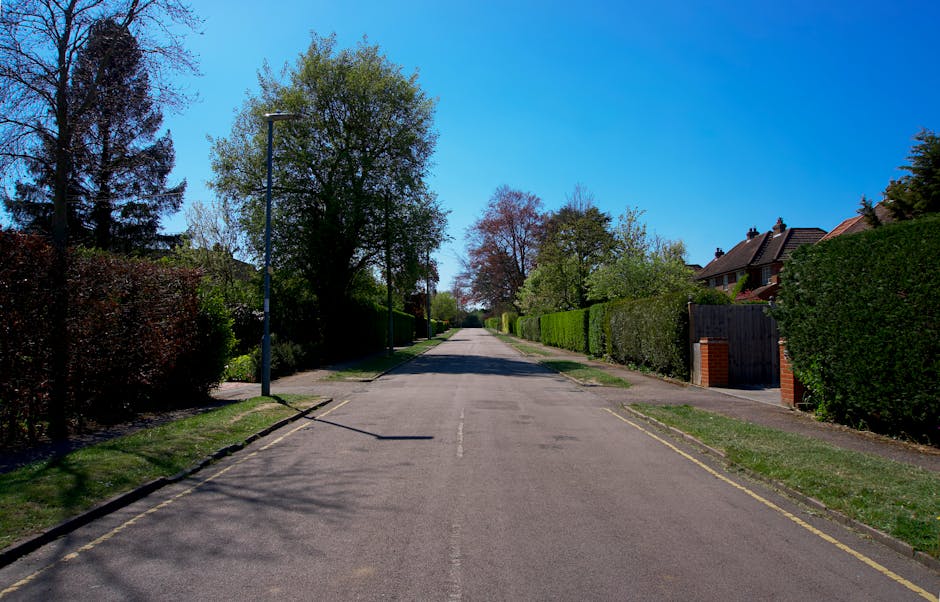
Moving house in Ickenham is busy enough without a parking ticket turning up before the kettle's even unpacked. If your removals van needs to stop on a restricted street, the permit question becomes more than a small admin task. It can affect timing, access, loading distance, staff safety, and whether you end up paying avoidable fines. This Permits and fines guide for Ickenham removals on restricted streets breaks everything down in plain English so you can plan properly, avoid common mistakes, and keep the move moving.
In practice, the biggest headaches usually come from narrow roads, timed loading bays, yellow lines, permit-only bays, or short windows when stopping is allowed. That sounds stressful, and to be fair, sometimes it is. But with a little preparation, it becomes manageable. You will get a clearer picture of when a permit is needed, how fines happen, what to check before moving day, and how to reduce risk if your street is tight, busy, or awkward.
Why Permits and fines guide for Ickenham removals on restricted streets Matters
Restricted streets are not just inconvenient; they shape the entire move. If a van cannot stop close to the property, your team may have to carry furniture farther, take more time, and work around other traffic. On a quiet cul-de-sac that might be a mild nuisance. On a narrow road near a school run or commuter flow, it can become a proper bottleneck.
The main reason this matters is simple: parking enforcement does not pause because you are moving. A removals vehicle can be treated like any other vehicle if it is in the wrong place, outside permitted hours, or blocking access. That is where penalties creep in. Sometimes the issue is a civil parking charge. Sometimes the issue is a complaint from a neighbour or a missed loading arrangement. Either way, the result can be delay and cost.
There is also a safety angle. A van parked too far away can create more lifting, more shuttling, and more time spent on footpaths or near moving traffic. That is not ideal for heavy furniture, and it is not great for your nerves either. If you have ever watched a sofa being manoeuvred past two parked cars and a recycling bin at 8:30 in the morning, you will know exactly what I mean.
For local moves in and around Ickenham, planning for access is often just as important as planning for packing. It sits alongside topics like access problems on narrow streets and practical removal solutions and Hillingdon Council parking rules for removals vans. Together, these pieces help you avoid turning a routine move into a traffic puzzle.
How Permits and fines guide for Ickenham removals on restricted streets Works
At a basic level, the process is about matching your move to the street rules. You first check whether the road has restrictions such as permit-only parking, time-limited loading, single or double yellow lines, or controlled bays. Then you work out whether the removals van can stop legally long enough to load or unload.
If a permit or dispensation is available, it may allow loading at certain times or in certain bays. The exact wording and conditions matter. One street may allow short loading activity without leaving the vehicle, while another may require a formal permit or prior agreement. That is why "I think it will be fine" is not a plan. It is a hope. And hope is not especially helpful when a warden is standing nearby with a notebook.
In real-world terms, three things usually decide what happens:
- The street layout: width, bay type, and whether a van can fit without obstruction.
- The time of day: many restrictions are time-based, so early mornings and evenings can differ from daytime rules.
- The stop duration: some loading activity is allowed briefly, but lingering too long can trigger enforcement.
It also helps to remember that a permit is not always the same as an exemption. In some situations, a permit may allow parking in a controlled bay; in others, it may only protect against a specific restriction for a very specific window. That detail trips people up more than it should.
If your move is short-notice, you may need to combine access planning with flexible scheduling. Our same-day removals support can be useful when timing is already tight, and it pairs well with a clear plan for where the van can stop. It is not glamorous, but it works.
Key Benefits and Practical Advantages
Getting the permit and parking side right does more than avoid fines. It can make the whole move calmer, faster, and cheaper in the long run. Honestly, a lot of the value is invisible until you compare it with a rushed move.
- Less risk of fines: the obvious one, but still the most expensive mistake if ignored.
- Shorter loading time: a better parking position means fewer carrying steps.
- Reduced physical strain: less distance from van to door means less lifting fatigue.
- Fewer delays: less time circling for parking, more time actually moving.
- Better neighbour relations: nobody enjoys a van blocking driveways or access points for half an hour.
- More accurate quotes: when access is known upfront, pricing is less likely to drift later.
There is another, quieter benefit: confidence. When the street arrangements are sorted, you can focus on boxes, fragile items, last-minute cleaning, and the usual moving-day oddities like "Where did the HDMI cables go?" rather than spending the morning worrying about a ticket.
That confidence matters especially on difficult roads. If your property has limited frontage or awkward kerb space, it may be worth reading about Ickenham High Road removals for narrow access jobs before move day. The more you understand the access challenge, the less likely you are to be surprised by it.
Who This Is For and When It Makes Sense
This guidance is for anyone moving in or out of a street where stopping is not straightforward. That includes homeowners, tenants, students, office movers, and anyone using a removals van on a road with timed controls or restricted kerb space.
It makes particular sense if you are in one of these situations:
- You live on a road with permit-only parking or resident bays.
- Your property sits on a narrow street where a van would need to stop partially in the carriageway.
- You are moving during school-run hours, commuter periods, or other busy times.
- You have bulky items such as wardrobes, sofas, beds, or a piano.
- You want to avoid paying more because the team has to carry items from a distant parking spot.
It is also relevant if you are booking a service and you are not yet sure whether access will be easy. In those cases, the most sensible move is to flag the issue early. A good removals plan should include access details, not just dates and a postcode. That sounds basic, but people forget it constantly.
If you are working through a smaller flat move, this becomes even more relevant. A compact street and a third-floor walk-up can be a rough mix. Our flat removals in Ickenham page is useful if that sounds familiar, especially where stairs, entry access, and roadside stopping all need thought at once.
Step-by-Step Guidance
Here is a straightforward way to handle restricted-street removals without overcomplicating the day.
- Check the street restrictions early. Look at the road outside the property and note bay markings, signs, and any permit-only wording. If there are yellow lines, do not assume loading is automatically fine.
- Confirm the exact moving address and access point. A back entrance, side gate, or courtyard can change the whole plan.
- Estimate the stop duration. Loading a few suitcases is very different from moving a two-bedroom household. Be realistic.
- Ask whether a permit, dispensation, or loading allowance is needed. If a formal arrangement is required, do not leave it until the night before.
- Build extra time into the schedule. A restricted street rarely runs to the minute, even when everything goes well.
- Prepare a backup parking option. If the ideal space is taken, know the next best legal stopping point.
- Keep the van access clear. Bin collections, private cars, and deliveries can quickly block a carefully planned stop.
- Brief the movers before arrival. A five-minute message can save twenty minutes of head scratching on the pavement.
If you want a quieter, less frantic move overall, a little preparation goes a long way. Our guide on booking and scheduling tips for Ickenham removals fits neatly with this process, because parking and timing tend to be linked more than people realise.
And if you are preparing boxes too, it helps to sort belongings in a way that speeds up loading. The article on creating an organised packing plan for a stress-free home move is a sensible companion piece here.
Expert Tips for Better Results
A few small adjustments can reduce permit stress dramatically. These are the sort of details that are easy to overlook until you have done enough moves to spot the pattern.
- Take photos of the street signs and bay markings. If there is later confusion, you have a visual record.
- Plan for peak parking pressure. Mid-morning can be awkward on some roads. Early starts often work better.
- Separate loading items from non-essential boxes. The first load should include what is most time-sensitive.
- Use smaller handling routes if needed. Sometimes two shorter trips beat one long awkward carry.
- Protect fragile or awkward items. A restricted street often means extra stopping and starting, so secure wrapping matters.
One practical tip that people appreciate: tell the removals team exactly where the nearest legal stopping point is, even if it is not ideal. That lets them decide whether to bring extra manpower, adjust the van position, or alter the loading order. It sounds small. It is not.
For more physically awkward items, the route from front door to van can make a big difference. If your move includes furniture that needs careful handling, see our furniture removals in Ickenham service and the advice in efficient sofa storage and maintenance strategies. Sofas and narrow streets do not always get along, truth be told.
One more thing: if the job involves heavy lifting, don't improvise heroics on the curb. The piece on solo lifting safety tips and the article on kinetic lifting techniques both reinforce the same point. Less strain is better than a faster-looking but risky move.
Common Mistakes to Avoid
Most permit-related fines are not caused by dramatic disasters. They come from small oversights. That is the annoying part.
- Assuming loading is always allowed. It often is not, or it may be limited to certain times.
- Leaving permit checks until moving day. That is how people end up improvising on the kerb.
- Forgetting the return trip. You may have space to unload, but not to wait while the crew goes back for the next load.
- Ignoring resident permit zones. A van can still be penalised even if it is "just for a moment."
- Underestimating the walking distance. A long carry can turn a short move into a tiring one.
- Not telling the movers about obstacles. Low trees, tight turns, bollards, and shared driveways all matter.
Another easy mistake is treating the street outside the house as if it belongs to the move. It doesn't. It still belongs to everyone else using it. That mindset shift alone tends to keep people out of trouble.
If hidden charges worry you, it is worth reading how to avoid hidden fees in Ickenham removals alongside this guide. Parking and access costs are often where misunderstandings begin.
Tools, Resources and Recommendations
You do not need a complicated toolkit, but a few simple things help a lot.
- Phone camera: useful for photographing signs, markings, and the final parked position.
- Printed move plan: handy if signal drops or your phone battery is already having a rough day.
- Parking notes: a short written list of allowed bays, time windows, and fallback spaces.
- Packing labels: speed up unloading so the van is not left in a restricted space for longer than needed.
- Protective wrapping and proper boxes: useful when items have to be carried further than expected.
For practical preparation, these internal resources fit well:
- packing and boxes in Ickenham for organising items before load-out
- man with van in Ickenham if your move is small, direct, and access-limited
- removal services in Ickenham for broader moving support
- insurance and safety if you want reassurance around the handling process
And if timing is the issue, not just parking, our best-time delivery approach can help align the move with the street's quietest window. That can be a very real advantage on busier roads.
Law, Compliance, Standards, or Best Practice
For moves on restricted streets, the safest approach is to follow local parking controls exactly as posted and to treat loading rules conservatively rather than optimistically. In UK moving work, that usually means checking the road signs, respecting bay rules, and not assuming a removals vehicle gets special treatment unless that has been clearly arranged.
Best practice is straightforward:
- Read the restrictions on-site, not from memory. Roads change, signs differ, and markings can be easy to misread.
- Use formal permissions where required. If the move relies on a permit or special dispensation, make sure it is valid for the exact date and time.
- Keep access routes clear. Do not block driveways, emergency access, or pedestrian passage.
- Choose the least disruptive legal option. The easiest legal space is usually the best one.
- Record the arrangement. A quick note or photo helps if there is any later confusion.
One helpful comparison: parking rules are not just about avoiding a fine. They are also part of safe working practice. If the van is too far away, the lifting distance increases and so does the chance of strain or damage. That is why a good move plan always blends compliance with practical handling. The health and safety policy and terms and conditions pages are relevant if you want to understand how a professional service approaches this side of the job.
Options, Methods, or Comparison Table
Not every restricted-street move needs the same solution. Here is a simple comparison of the main approaches.
| Approach | Best for | Pros | Watch-outs |
|---|---|---|---|
| Formal permit or dispensation | Known restricted streets and planned moves | Clearer legal cover, less uncertainty | Needs advance planning and correct timing |
| Short loading stop in a permitted window | Very quick moves with easy access | Simple, quick, often low hassle | Only works if the rules genuinely allow it |
| Park further away and carry items | When no close stopping is available | Flexible and sometimes unavoidable | Slower, more tiring, greater damage risk |
| Alternate collection time | Busy roads or peak enforcement periods | Can reduce parking pressure | May affect your schedule and building access |
The right choice depends on how narrow the road is, how long the loading will take, and how strict the local parking controls are. For many Ickenham moves, the best answer is not one tactic but a blend of two: legal stopping plus a well-timed schedule.
Case Study or Real-World Example
Imagine a two-bedroom flat move on a street with resident bays on both sides and only a small legal loading option near the corner. The property itself is only a short distance from the road, but the van cannot sit directly outside the front door. The result is not a disaster, but it does need planning.
In that sort of move, the winning approach is usually:
- confirm the nearby legal stopping point before the day;
- pack the first load with essentials and fragile items;
- schedule the move for a quieter part of the day;
- tell the removals team about the short carry distance;
- keep one person available to open doors and manage boxes quickly.
The difference between a smooth move and a frazzled one is often only ten minutes of planning. That is the annoying, beautiful truth of it. You can do everything else right, but if the van parks in the wrong place, the whole morning feels heavier.
We have seen moves where a careful plan meant the loading was done cleanly, with no drama and no fines, and others where an innocent-looking parking choice led to a stressful scramble. Same street, same van, very different outcome. The variable was preparation.
If your move has awkward large items too, useful background reading includes piano removals in Ickenham and why moving a piano is not a solo task. Heavy, delicate objects make restricted access much more unforgiving.
Practical Checklist
Use this checklist before moving day. Simple, but effective.
- Confirm the exact street restrictions outside the property.
- Check whether a permit, loading allowance, or dispensation is needed.
- Take photos of all relevant parking signs and bay markings.
- Identify a legal backup stopping point nearby.
- Tell the removals team about narrow access or long carries.
- Pack the first-access boxes separately and label them clearly.
- Keep pathways, gates, and entrances clear for quick loading.
- Build in extra time for parking, walking distance, and delays.
- Protect large furniture and fragile items before the van arrives.
- Double-check timing if the move is near busy traffic hours.
Expert summary: On restricted streets, the cheapest option is rarely the cheapest if you get fined. Good access planning, clear communication, and a legal stopping position usually save time, money, and a lot of stress.
For help planning the move itself, it is also useful to review tips for a serene house relocation and the same calm, practical approach in our blog. A smoother mind usually makes for a smoother move. Not always, but often enough.
Get a free quote today and see how much you can save.
Conclusion
Restricted streets do not have to derail an Ickenham move. They just demand better planning than a straightforward driveway job. If you understand the parking controls, prepare for loading properly, and allow for legal access options, the whole process becomes more predictable. That is really what this is about: replacing guesswork with a plan.
Whether you are moving a small flat, a family house, or a few bulky items that need careful handling, the same principle applies. Check the street rules, confirm the best stopping point, and brief the team early. Do that, and you dramatically reduce the chance of fines, delays, and extra strain. Small effort now, calmer day later.
If you are at the stage where the move is starting to feel too big to juggle alone, it helps to speak to a team that understands local access, timing, and street restrictions. The right support makes the whole thing feel less like a puzzle and more like a plan. And honestly, that is a relief.
Frequently Asked Questions
Do I need a permit for removals on a restricted street in Ickenham?
Sometimes yes, sometimes no. It depends on the exact street restrictions, the type of bay or line marking, and how long the van needs to stop. Always check the on-street signage rather than assuming loading is allowed.
Can a removals van stop on yellow lines for loading?
In some places, short loading may be allowed, but that is not universal and it can be time-limited. You should never assume it is permitted without checking the signs and local rules.
What happens if the van gets a fine during the move?
The fine usually falls to the vehicle owner or operator, but it can still affect the customer through delays, stress, or extra costs depending on the booking terms. The safest approach is to prevent the issue before it happens.
How far in advance should I check parking restrictions?
Ideally as soon as you know the moving date. Even a quick first check a week ahead gives you time to spot issues and adjust the schedule if needed.
What if the street is too narrow for the van to park close by?
Then you may need a backup stopping point, a different loading time, or a plan for a longer carry. This is common on older residential streets and it is best handled early, not on the day.
Will a permit guarantee that I avoid fines?
Not automatically. The permit or dispensation must usually match the correct street, date, vehicle, and time window. A wrong detail can still lead to enforcement, so accuracy matters.
Do small moves still need parking planning?
Yes, especially if the street is restricted. Even a small move can trigger a fine if the van is stopped in the wrong place for too long.
Is it better to move early in the morning?
Often, yes. Early starts can sometimes mean lighter traffic and easier access, though that still depends on the street's own rules. Quiet does not always mean unrestricted, so check both.
What should I tell my removals team before moving day?
Tell them the exact access point, the nearest legal parking option, any narrow sections, nearby restrictions, and whether there are stairs or a long carry. The more specific you are, the better the plan tends to be.
How do I avoid hidden parking-related costs?
Be upfront about restricted streets, long carries, waiting time, and permit needs. For more on that side of the booking, see our guide to avoiding hidden fees in Ickenham removals.
What is the biggest mistake people make on restricted streets?
Leaving parking checks too late. It sounds obvious, but it is the most common reason a move becomes stressful. A little checking at the start saves a lot of hassle later.
Can a man and van service help with restricted-street moves?
Yes, especially where the move is small or the access is tight. A flexible vehicle size and a sensible loading plan can make a real difference on awkward roads.