Ickenham Village removals guide for narrow street moves
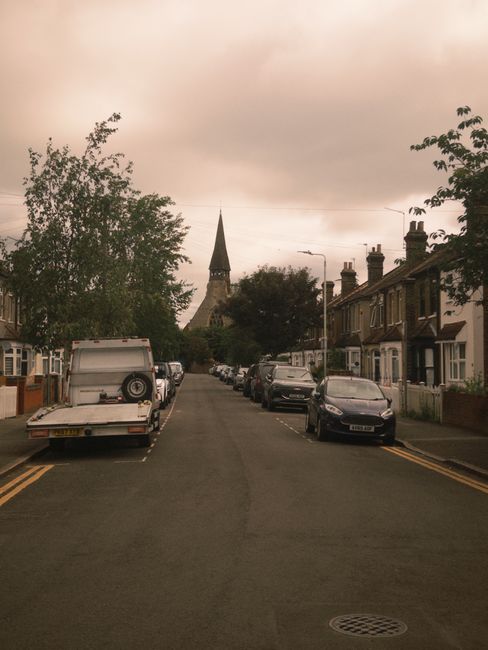
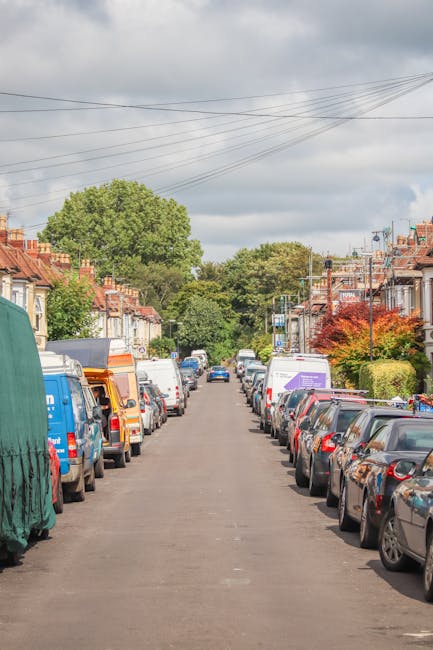
Moving home in Ickenham Village sounds simple on paper, until you meet the reality of a tight lane, parked cars on both sides, and a van that suddenly feels a bit too big for comfort. If you are planning a move here, this Ickenham Village removals guide for narrow street moves will help you plan properly, avoid common access headaches, and keep the day calm enough to think clearly. Narrow street removals are not impossible. They just need a sharper plan, a bit of local awareness, and the right moving setup from the start.
Truth be told, most moving stress in a village setting comes from access, not lifting boxes. Can the vehicle stop close enough? Will neighbours leave enough room? Is there a turning point, or will the driver need to reverse half the length of the road with everyone watching? Those are the real questions. In this guide, we'll cover how narrow street moves work, when they make sense, what to prepare, and how to avoid the kind of mistakes that turn a routine move into a long, noisy afternoon.
Contents
- Why narrow street planning matters in Ickenham Village
- How a narrow street move works in practice
- Key benefits and practical advantages
- Who this guide is for
- Step-by-step guidance for move day
- Expert tips for smoother access
- Common mistakes to avoid
- Tools, resources and recommendations
- Law, compliance, standards and best practice
- Options and comparison table
- Real-world example
- Practical checklist
- Conclusion
- Frequently asked questions
Why Ickenham Village removals guide for narrow street moves Matters
Ickenham Village has the kind of streets that can make removals feel trickier than the distance between addresses suggests. A short move can still take more time if the road is narrow, parking is limited, or loading space is awkward. That matters because removals are all about momentum. If the van cannot park safely, or if boxes have to be carried a long way, the whole day becomes slower, more tiring, and more exposed to risk.
This is especially important for homes with larger furniture, upper-floor flats, or families moving with children, pets, or elderly relatives in the mix. A narrow street does not just affect vehicle access. It affects the route from front door to van, how many people you need, whether you need extra packing protection, and even the time window you choose for collection. The quieter and more realistic your plan, the better the move tends to go.
Let's face it: most people underestimate how much one parked car can change the flow of a removal. In a village street, that single detail can decide whether the team loads efficiently or spends half the morning shuffling around. A proper access plan is not a luxury. It is the difference between a smooth move and a stressed one.
Expert summary: In narrow-street removals, the best results usually come from planning access first and furniture second. If the van can stop safely and the route is clear, everything else becomes easier.
How Ickenham Village removals guide for narrow street moves Works
A narrow street move usually starts with access assessment. That means checking whether the vehicle can reach the property, where it can wait without blocking traffic, and how far items need to be carried. If a full-size vehicle is too awkward, a more compact removal van or a flexible man and van setup may be the more practical choice.
From there, the process becomes a sequence of small decisions. Should the team arrive early to beat school-run traffic? Is there enough space for ramp use? Are there any awkward items, like wardrobes or corner sofas, that may need additional handling? These questions are not theoretical. In a tight street, they shape the whole rhythm of the job.
The move itself is usually handled in stages:
- Confirm access at both ends of the move.
- Decide the most suitable vehicle size.
- Pack and label items so loading is fast.
- Protect fragile and bulky items for short, repeated carries.
- Load in a sensible order so the most needed items are easiest to reach.
- Check the route again before final departure, because streets can change quickly with parked cars and delivery vans.
If the property is a flat, access can be a little more layered. Stairs, entry codes, and shared hallways add time, so a service such as flat removals may be more suitable than a generic one-size-fits-all approach. The same principle applies if you are moving household contents, a small office setup, or a few large furniture pieces. The access challenge stays the same; the inventory changes.
A good removals team will also think about unloading order. That sounds minor, but it matters. If the first items off the van are the essentials, you avoid the slightly dazed feeling of opening a new home and finding the kettle trapped behind three boxes marked "misc."
Key Benefits and Practical Advantages
Working with a tight-street moving plan brings a few very real benefits. The first is control. When you know where the van can stop and how long loading should take, the day feels less improvisational. You are not discovering problems at 8:30 in the morning while someone is trying to squeeze past the rear doors.
Another benefit is reduced handling. The closer the vehicle can get to the door, the fewer steps there are between the property and the van. That usually means less fatigue, fewer chances of bumping walls or furniture, and a lower chance of damage. It also helps protect awkward items, especially when using a trusted service such as removals for a broader move or house removals for a full domestic relocation.
There is also a practical scheduling advantage. Narrow streets often work better with shorter, more focused time windows. Early starts are often calmer, not because they are glamorous-nobody is pretending moving is glamorous-but because the roads are easier to use before the day fully wakes up.
For many people, the real upside is reassurance. You know the plan, the vehicle, and the route. You know who is doing what. That matters more than people admit. Moving day can be noisy and cluttered enough without extra guesswork.
| Approach | Best for | Strengths | Possible drawbacks |
|---|---|---|---|
| Compact removal van | Narrow streets, smaller homes, lighter loads | Easier parking, easier turning, less street disruption | May require more trips for larger loads |
| Man and van | Flexible local moves, mixed loads, short distances | Quick to adapt, often ideal for awkward access | Not always best for very large house contents |
| Full removals team | Family homes, large furniture, more complex moves | More hands, better lifting support, structured loading | Needs tighter planning in constrained streets |
Who This Is For and When It Makes Sense
This guide is for anyone moving in or around Ickenham Village where road width, parked vehicles, or limited frontage might create a bottleneck. That includes homeowners, tenants, landlords clearing a property, and small businesses moving equipment or stock. It also helps if you are moving out of a Victorian-style property, a terraced street, or a home with no immediate driveway access.
It is particularly useful if you are considering home moves, organising student removals, or planning smaller-scale transport like furniture and boxes. Even a short move can be surprisingly involved if access is tight. In a narrow street, the difference between a smooth move and a frustrating one is often down to preparation rather than volume.
It also makes sense if you are comparing options and wondering whether a full removal company is necessary. Sometimes the answer is yes. Sometimes a smaller service is more sensible. If you are moving just a few items, a local furniture removals solution may be all you need. If you are clearing a workspace or relocating equipment, a service such as commercial moves or office removals could be more appropriate.
And if you are thinking, "This all sounds a bit much for a simple move," fair enough. It often does sound like a lot. But that is exactly why planning matters. A narrow street does not forgive casual thinking.
Step-by-Step Guidance
Here is the practical version. Keep it simple, but do not skip the details. That is where people get caught out.
- Measure access at both properties. Look at road width, turning space, front step depth, and any restrictions caused by parked cars or hedges. A quick visual check is good, but a tape measure is better.
- Choose the right vehicle type. A compact van may be far easier than a larger truck in a narrow lane. If you are unsure, compare the options for removal truck hire and moving truck against a smaller van-based move.
- Sort out parking or waiting space early. If a van cannot stop near the entrance, loading time increases quickly. You may need to ask neighbours to keep driveways clear on the day, politely, well in advance.
- Packing should match the route. If items must be carried a longer distance, use sturdier boxes and protect corners properly. This is where packing and boxes becomes more than a side task. It is part of access planning.
- Load in the right sequence. Put the heaviest and least urgent items in first, then the essentials, then anything delicate and easy to grab. You want a calm unload, not a scramble.
- Keep a clear path inside the property. Narrow hallways make loose shoes, open bags, and random coats feel like obstacles. They are obstacles, really.
- Confirm arrival timing. For some streets, a slightly earlier or later slot reduces disruption. This is particularly helpful where school traffic, deliveries, or commuter parking can tighten the road.
- Plan for overflow. If the move generates more items than expected, a short-term stopover at storage can save the day and prevent rushed decisions.
One small but important point: do a final street check on the morning of the move. Things change overnight. A bin lorry, a delivery van, or someone's second car can alter access in a way that was not visible the night before. Annoying? Yes. Common? Also yes.
Expert Tips for Better Results
Over the years, one thing becomes clear: the best narrow-street moves feel boring in a good way. Nothing dramatic happens because the work was planned properly. Here are the habits that help most.
- Book the right size vehicle, not the biggest one. Bigger is not better if it cannot manoeuvre safely.
- Use labelled priority boxes. Keep essentials like chargers, kettle items, bedding, and documents easy to reach.
- Protect furniture for repeated carrying. Door frames and corners are where minor damage tends to happen.
- Speak to neighbours early. A quick note or friendly conversation can prevent parking disputes on the day.
- Keep one person free to guide loading. In a tight street, a good spotter is worth their weight in tea bags.
- Have a backup plan for rain. Wet pavements slow things down and make boxes heavier in practice, if not on paper.
If you are working with a service provider, ask how they handle access checks, waiting space, and loading order. A solid operator should be comfortable talking about this in plain English. No waffle. No mystery.
For some moves, a team that offers packing and unpacking services can reduce pressure significantly, especially if you are juggling work or family commitments at the same time. And if timing is tight, a same day removals option may help in urgent situations, though you should still check access carefully. Urgent does not mean unplanned. That bit gets forgotten often.
Common Mistakes to Avoid
Narrow street moves tend to go wrong in predictable ways. The good news? Most of them are avoidable.
- Assuming the van will fit. A street that looks manageable from the pavement can be tight once parked cars are taken into account.
- Leaving parking until the morning. In a village setting, that is a gamble. And not a clever one.
- Packing too late. Rushed packing often means weaker boxes, missing labels, and a slower load.
- Ignoring stair and doorway widths. A sofa that clears the front room can still snag on the hall turn.
- Underestimating carry distance. Ten extra metres does not sound like much, until you have done it twenty times.
- Not separating fragile items. If delicate pieces are mixed with heavy boxes, they are harder to protect during a longer carry.
- Forgetting building access rules. Flats, shared entrances, and managed properties can have time restrictions or entry steps that slow the process.
There is also a softer mistake: trying to do everything yourself because it seems cheaper. Sometimes that works. Sometimes it really does. But if access is awkward, using an experienced crew through a wider removal services provider can save time, strain, and a fair bit of swearing under your breath. A little honesty goes a long way there.
Tools, Resources and Recommendations
You do not need specialist gear for every move, but a few basic tools make narrow street removals much easier.
- Measuring tape: useful for checking hallways, door widths, and furniture dimensions.
- Furniture blankets and wrapping: help protect edges during awkward carries.
- Strong tape and labels: essential for keeping boxes organised and fast to load.
- Dolly or sack truck: very helpful when there is a long carry or several heavy boxes.
- Gloves and sensible footwear: simple, but important for grip and comfort.
- Phone torch: useful in dim hallways, porch areas, or early-morning loading.
On the service side, it helps to compare the type of move you have with the vehicle and crew size available. If you are moving a family home, a dedicated house removals package may be more efficient. If the job is compact and access is the main issue, a man with van or man with a van arrangement may be a better fit. It depends on load size, walking distance, and timing, not just price.
If you are still weighing up options, it can also help to review pricing and quotes carefully so you understand what is included. And if you are concerned about handling standards or safeguarding items during the move, it is sensible to read up on insurance and safety first. A few extra minutes there can save you a headache later.
Law, Compliance, Standards, or Best Practice
For most household moves, the main thing is not a maze of legal complexity. It is sensible conduct, safe loading, and respectful use of public space. That said, some practical standards do matter. Vehicles should be parked legally and without creating unnecessary obstruction. Load handling should follow safe manual lifting practice. If a property or street has specific access restrictions, those should be respected rather than worked around casually.
If you are moving a business or office equipment, the standard becomes a little more structured. A move that affects staff, equipment, or customer access should be planned to reduce disruption. That is one reason many organisations choose a service such as office relocation services or a more tailored commercial moves arrangement.
There are also sensible expectations around service clarity. You should know what is included, how the team handles delays, what happens if access is poor, and how items are protected in transit. Good providers tend to be clear about this in their terms and conditions, and that clarity is genuinely useful. No one enjoys discovering hidden assumptions on moving day.
For environmentally conscious moves, small choices matter too. Reusing boxes, reducing waste, and planning loading efficiently can support a more responsible process. If that matters to you, it is worth taking a look at the company's recycling and sustainability approach before you book.
Options, Methods, or Comparison Table
Choosing the right moving method in a narrow street is not just about budget. It is about fit. The table below gives a plain-English comparison.
| Method | Best suited to | Why it works in narrow streets | Watch out for |
|---|---|---|---|
| Compact van move | Small flats, few rooms, local jobs | Easy to position and reverse | May need multiple runs |
| Man and van | Moderate loads, flexible timing | Good for awkward access and quick loading | Less ideal for full-house moves with lots of heavy furniture |
| Full removal team | Large homes, families, heavy items | More hands reduce carry time and strain | Needs tighter street control and clear communication |
| Staged move with storage | Complex moves or delayed completion dates | Reduces pressure when access or timing is messy | Requires more organisation and planning |
There is no universal winner here. A small flat in a difficult street may be best served by a compact van, while a house move with awkward stairs may call for more manpower. The right answer is the one that matches the road, the load, and the day.
Case Study or Real-World Example
Here is a realistic example, based on the kind of move people in Ickenham Village often face. A couple were moving from a two-bedroom maisonette on a narrow road with parking on one side only. The property had a tight stairwell, a corner sofa, and a handful of bulky boxes they had underestimated. They initially thought a standard large van would be fine.
Once the access was checked properly, it became clear that a slightly smaller vehicle and an earlier arrival would work better. The sofa needed a careful carry through the stairwell, so the team protected the corners and cleared a route in advance. Boxes were split into priority groups, which made unloading much calmer at the new address. Nothing dramatic. Just a sensible sequence.
The result was not flashy, but it was efficient. There were no blocked neighbours, no last-minute vehicle reshuffling, and no panic because the kettle was buried at the back of the van. A small win, perhaps. But on moving day, small wins are everything.
That is the pattern you want to copy: measure, choose the right vehicle, keep the route clear, and avoid overfilling the schedule. Simple on paper, yes. Still easy to get wrong if you rush it.
Practical Checklist
Use this checklist before moving day. It keeps the process grounded and avoids the common "we'll sort it in the morning" trap.
- Measure doors, stair turns, and any tight hallways.
- Check the street for parking pressure at the planned move time.
- Decide whether a compact van, removal van, or larger vehicle is most realistic.
- Book the right service level for your load size.
- Pack fragile items separately and label them clearly.
- Prepare a priority box with essentials for the first night.
- Inform neighbours if the street may be partially occupied during loading.
- Keep walkways inside the property clear.
- Protect furniture edges and delicate finishes.
- Have a backup plan if the van cannot stop as close as expected.
- Confirm access details the day before the move.
- Keep payment, booking, and contact details easy to find.
Small detail, big payoff. Really.
Get a free quote today and see how much you can save.
Conclusion
A narrow street move in Ickenham Village does not need to feel stressful. Once you understand the access issues, pick the right vehicle size, and pack with the route in mind, the whole process becomes much easier to manage. That is the real message of this guide: success comes from practical preparation, not luck.
If you are still deciding between a van-based move, a fuller removals service, or a staged approach with storage, think about access first and volume second. That one shift in mindset usually improves everything else. And if the street looks awkward, it probably is. Better to plan for that now than discover it with a loaded van idling outside.
Move carefully, stay organised, and give yourself a bit of breathing room. A calm move is a better move, plain and simple.
Frequently Asked Questions
What makes narrow street removals in Ickenham Village more difficult?
The main challenge is access. Narrow roads, parked cars, and limited turning space can slow loading and unloading, which means the moving plan has to be more precise.
Is a removal van better than a larger truck for tight streets?
Often, yes. A smaller vehicle is usually easier to position safely and can reduce the chance of blocking the road. The right choice depends on load size, not just convenience.
How far in advance should I plan a move in a narrow street?
As early as possible. Even a short local move benefits from early access checks, vehicle planning, and parking consideration. Leaving it late is where problems start to stack up.
Do I need to warn neighbours before moving day?
It is usually a good idea, especially if the street is tight or parking is limited. A simple heads-up can prevent awkward parking disputes and keep things friendly.
What if the van cannot park right outside my home?
Then the carry distance increases, so you may need more time, more care, and potentially a different vehicle choice. This is why access checks matter so much before the booking is finalised.
Can a man and van service handle a narrow street move?
Yes, often very well. A man with van or man and van setup can be a practical choice for awkward access and smaller loads.
What items need extra protection during a tight-access move?
Furniture with corners, mirrors, glass items, and anything heavy but delicate should be wrapped properly. Tight stairways and repeated carries can create more knock points than people expect.
How do I know whether I need full removals or just a smaller service?
Look at the number of rooms, the amount of furniture, and the access conditions. If the move is simple but the street is difficult, a smaller service may be enough. If there is a full household to move, a larger team is probably wiser.
Should I use storage if my move date is uncertain?
If timings are unsettled or you need to split the move into stages, storage can take the pressure off. It is especially useful when completion dates or access windows are not fully fixed.
Are same-day removals realistic for narrow streets?
They can be, but only if the access is manageable and the load is straightforward. Urgent moves still need a clear plan, otherwise you just compress the stress into fewer hours.
What is the biggest mistake people make with village street moves?
Assuming the road will "sort itself out" on the day. It rarely does. Parking, turning, and carrying space all need checking in advance, even for short-distance moves.
Where can I compare moving options and service details?
It helps to review pricing and quotes, along with the available service pages such as removals, house removals, and flat removals so you can match the service to the street.