Ickenham station removals made simple: a practical local guide for a smoother move
Moving near a busy station can feel like one of those jobs that starts out manageable and then suddenly turns into boxes, tight kerbs, awkward parking, and a lot of standing around wondering where the van can actually stop. That is exactly why Ickenham station removals made simple is not just a nice idea, it is a genuinely useful approach. If you are relocating a flat, a family home, a student room, or a small office close to the station, the difference between a stressful move and a calm one usually comes down to planning, timing, and using the right support.
This guide breaks the process down in plain English. You will see how station-area removals work, what makes them different, who benefits most, and how to avoid the usual headaches that crop up around transport links, foot traffic, and limited loading space. If you want a fuller overview of local services, you can also explore removals in Ickenham and the broader services overview to see how different move types fit together.
Truth be told, most removal problems are not dramatic. They are small things stacked on top of each other: a sofa that will not pivot, a lift that is just a bit too small, a parking bay that disappears, a mattress that needs two people, and a timetable that leaves no room for faffing about. Get those details right, and the whole day feels lighter. Lets face it, that is what everyone wants.
Table of Contents
- Why station removals in Ickenham matter
- How the process works
- Key benefits and practical advantages
- Who this is for and when it makes sense
- Step-by-step guidance
- Expert tips for better results
- Common mistakes to avoid
- Tools, resources and recommendations
- Law, compliance and best practice
- Options and comparison table
- Real-world example
- Practical checklist
- Conclusion
- Frequently asked questions
Why station removals in Ickenham matter
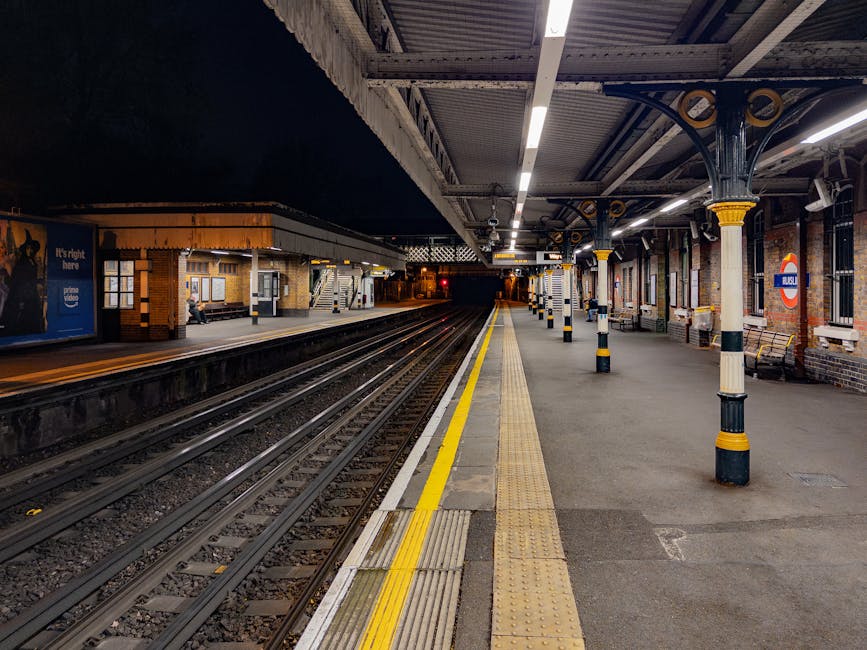
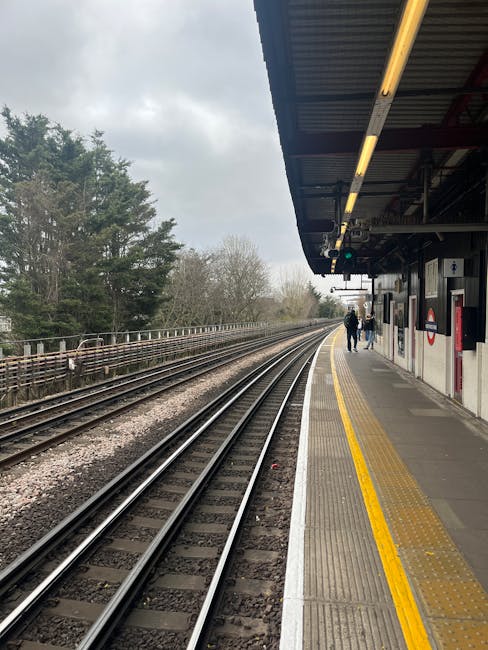
Ickenham station is a useful local transport hub, but that convenience can create moving-day friction. Station roads and nearby residential streets often have a mix of passing traffic, pedestrians, parked cars, and short loading windows. If your property sits close by, the removal team may need to think carefully about where the van can wait, how long it can stay, and how to keep the move flowing without blocking anyone.
That is where a station-focused removals plan earns its keep. Instead of treating the move like a generic house transfer, you plan for the real-world conditions around the station area. That might mean early arrival, more precise loading instructions, better box labelling, or splitting heavier items into manageable runs. Small adjustments. Big difference.
For many people, the biggest issue is not the lifting itself, it is the coordination. A few minutes of poor timing near a station can snowball into delays, extra walking, and a lot of unnecessary stress. If you have ever stood on the pavement watching the clock while the driver tries to work out the safest stopping point, you will know exactly what I mean.
Useful local removal support tends to be strongest when it understands the space around the property, not just the furniture inside it. That is why pages such as man with van in Ickenham and man and a van in Ickenham matter to readers comparing simple, flexible options for smaller or medium-sized moves.
Key point: station-area removals are less about brute force and more about timing, access, parking awareness, and careful handling.
How station removals in Ickenham work
The basic process is straightforward, but the local detail makes it work. A removal team will usually start by understanding what needs moving, where it is going, and what access looks like at both addresses. If your home is close to the station, they will think about vehicle size, carrying distance, stairs, lift access, and whether any item needs extra protection.
For many moves, the first step is a quotation. This is where the team gathers enough detail to estimate labour, vehicle space, and likely timing. If you need help understanding the practical side of pricing, the dedicated pricing and quotes page is a sensible place to start. The more precise your information, the more useful the quote tends to be. Simple as that.
On moving day, the team should arrive with a plan. Items are loaded in a sensible order, fragile belongings are protected, and heavier pieces are handled using suitable lifting methods. If your move involves furniture, you may also find the local furniture removals service helpful, especially where beds, wardrobes, desks, or dining tables need extra care.
Some customers prefer to pack everything themselves in advance. Others want a little more help. If you are in the first group, the guidance on packing your items and waiting for collection explains a simple handover-style approach that keeps the day tidy. If timing is a concern, there is also the option to arrange delivery at the best time for you, which is useful when you are working around school runs, building access rules, or commuter traffic.
A smooth station move usually follows this rhythm:
- Survey the property and access route.
- Confirm what is being moved and any special items.
- Choose vehicle size and timing.
- Protect and load items in a logical sequence.
- Unload efficiently at the destination.
That sounds easy on paper. In real life, it only feels easy when the details have been properly checked. Which is the whole point, really.
Key benefits and practical advantages
The main benefit is peace of mind, but there are several smaller wins that matter just as much.
- Less disruption: A planned approach reduces the chance of blocking access or making multiple wasted trips.
- Safer handling: Heavy or awkward items are less likely to be damaged, and people are less likely to strain themselves.
- Better timing: Moves near transport links benefit from a schedule that matches local conditions rather than guessing and hoping.
- Cleaner logistics: Fewer loose ends, fewer "where did we put that box?" moments, fewer surprises.
- More flexible service: A man with van arrangement can suit flats, smaller households, student moves, and urgent jobs.
There is also a psychological benefit that people sometimes overlook. A move feels much smaller when it is broken into clear pieces. Pack this now. Move that next. Load the awkward item separately. Finish the kitchen last. You can almost feel the pressure drop.
If you are moving from a flat near the station, the local flat removals in Ickenham page is relevant because flat moves often involve stairs, tighter hallways, and careful coordination with neighbours or building access. If you are moving out of education housing, student removals in Ickenham may be the better fit.
A practical move does not need to be extravagant. It just needs to be organised enough that nothing catches you off guard. That is often what clients mean when they say they want removals made simple. They do not mean easy in a magical sense. They mean predictable. And predictable is gold on moving day.
Who this is for and when it makes sense
Station removals are not only for large households. In fact, they often suit people with smaller loads who still want professional help. If your move involves a short distance, limited furniture, or a tight schedule, a targeted removal service can save a lot of time and lifting.
This approach makes sense for:
- flat dwellers near the station
- students moving between term-time homes
- couples downsizing to a smaller property
- families relocating within Ickenham or nearby areas
- home workers moving desks, monitors, and office chairs
- anyone who needs same-day or short-notice support
It is also a good choice if you have a few items that are simply awkward. A sofa that turns every doorway into a puzzle. A piano that should absolutely not be tackled casually. A fridge that needs handling carefully after being unplugged. These are the jobs where experience matters more than optimism.
For specialist belongings, use specialist support. The local piano removals service is a better fit for heavy, delicate instruments, while the advice in why moving a piano isn't a solo task is worth reading before anyone attempts it with "just a bit of help".
If you are in a hurry, the same-day removals option may be useful, but same-day work still benefits from clear instructions and realistic expectations. Rushing and simple do not always belong in the same sentence, to be fair.
Step-by-step guidance
Here is a practical way to organise a station-area move without turning it into an all-day scramble.
1. Start with access, not boxes
Before packing too much, think about where the van can stop, whether there are steps, and how far items will need to be carried. Near a station, this matters more than people expect. A neat driveway plan or kerbside loading arrangement can save serious time.
2. Separate essentials from everything else
Keep documents, chargers, medication, keys, and a small kettle box aside. If you are moving in the morning and unpacking at night, you will thank yourself later. Probably around 9pm, when you are tired and looking for the only mug you actually like.
3. Pack room by room
Room-by-room packing keeps the day sane. The guide on creating an organised packing plan gives a sensible structure if you want your labels and boxes to mean something.
4. Protect awkward items properly
Use blankets, bubble wrap, mattress covers, and sturdy tape where appropriate. For soft furnishings and larger pieces, the article on sofa storage and maintenance is useful, especially if you are moving a couch into temporary storage before final delivery.
5. Keep the lifting realistic
Many injuries happen when someone assumes an item is lighter than it looks. That is why good lifting practice matters. If you want a refresher, the articles on safe solo lifting and kinetic lifting techniques are helpful, especially for the little in-between jobs that tempt people to "just grab it quickly".
6. Coordinate the arrival window
Agree the best time for collection or delivery early. This is one of the easiest ways to avoid confusion. If you need a move to fit around work, school, or building access, use the service page for delivery at a time that suits you.
7. Unload with a landing plan
Decide where furniture will go before the van arrives. It saves repeated reshuffling and stops rooms from filling with random boxes. A sofa dumped in the hallway is never anyone's dream ending.
Expert tips for better results
After enough removals, a few habits stand out as genuinely useful.
- Label the top and side of boxes. Side labels matter when boxes are stacked in a van.
- Pack by weight, not just by room. Keep heavy books in smaller boxes. Your back will appreciate it.
- Measure doorways and lifts in advance. That sounds obvious, yet it is still skipped a lot.
- Keep a photo of fragile items before wrapping. Useful for peace of mind and for setting them up later.
- Use fewer, better-packed boxes. Overfilled boxes split. Underfilled boxes crush.
- Book storage if there is a gap. The local storage in Ickenham option can be useful if completion dates do not line up neatly.
A small real-world tip: keep a bottle of water and a cloth somewhere easy to reach. Moving days can get dusty in a way you never quite expect. A bit of dust, a bit of tape fuzz, the usual. Nothing dramatic, just reality.
If you are handling specialist items, choose the relevant support rather than trying to improvise. For example, the bed and mattress moving guide can help you avoid tearing fabric or bending slats, while the article on leaving your apartment sparkling clean is useful if you are trying to hand back keys in decent condition.
Common mistakes to avoid
Most moving mistakes are not dramatic. They are ordinary. That is why they repeat.
- Underestimating parking or access issues. Especially near station roads where space can be limited.
- Leaving packing too late. It turns a neat plan into a rush job very quickly.
- Assuming every item fits through every doorway. Sofas and wardrobes often prove this wrong.
- Not separating essentials. Then you spend the evening searching for toothpaste.
- Ignoring weather and timing. Rain, wet steps, and dark evenings all change the feel of the day.
- Trying to lift things solo that need two people. This is where injuries and damage start creeping in.
Another common slip is forgetting to check the terms of service before booking. If you want to understand the practical boundaries around a booking, have a look at the terms and conditions, plus the insurance and safety page for a sensible overview of how care is handled. Not the most exciting reading, granted, but useful.
One more thing: do not leave every decision until moving day. The day itself should be about execution, not discovery. Discovery is for the weekend walk, not the removal van.
Tools, resources and recommendations
You do not need a mountain of gear, but a few practical tools make life easier.
| Tool or resource | Why it helps | Best for |
|---|---|---|
| Strong cardboard boxes | Protects belongings and stacks well | General household items |
| Packing tape and labels | Keeps boxes secure and easy to identify | Room-by-room organisation |
| Blankets and wraps | Helps prevent scratches and knocks | Furniture, screens, fragile surfaces |
| Mattress cover | Protects against dirt and moisture | Bed moves and storage |
| Dolly or trolley | Makes heavier items easier to move | Large boxes, appliances, office items |
For most customers, the most valuable resource is not a tool at all; it is a clear plan. If that plan needs a little outside help, the local removal services in Ickenham page is a good starting point. If you need something flexible and practical, the man and van Ickenham option may suit smaller loads or short local journeys.
And if you are unsure whether you need full removals, a van-only solution, or a hybrid approach, that is perfectly normal. People often think they need a bigger service than they really do, or the reverse. A quick conversation usually clears it up.
Law, compliance and best practice
For removals near a station, best practice matters because the environment is shared space. While the details can vary by location and property type, a careful mover should think about safe loading, considerate parking, manual handling, and the security of belongings during transit.
In the UK, manual handling and workplace safety expectations are taken seriously, even in small moving jobs. That does not mean every move is covered by complicated procedures, but it does mean safe lifting, sensible loading, and not overreaching are part of professional practice. Good removals teams should also work in a way that reduces risk to customers, themselves, and nearby pedestrians.
Privacy and security can matter too, especially if you are handing over access details or payment information in advance. The relevant pages on payment and security and privacy policy exist for a reason: customers should know how information is handled and what to expect.
If sustainability is on your mind, consider how unwanted items will be managed. Reuse, donation, and responsible disposal can reduce waste. The company's recycling and sustainability page is relevant if you want to think beyond the immediate move and make better decisions about packing materials and old furniture.
Best practice in plain terms: communicate clearly, lift safely, respect access rules, protect property, and keep the moving process transparent.
Options and comparison table
Choosing the right kind of help depends on what you are moving and how much support you need. Here is a simple comparison.
| Option | Best for | Strengths | Watch-outs |
|---|---|---|---|
| Man with van | Small to medium moves, local journeys | Flexible, often efficient, easy for short notice | May not suit very large household moves |
| Full house removals | Whole-home relocations | More capacity and broader support | Can be more than you need for a light move |
| Flat removals | Apartments and upper floors | Tailored for stairs, lifts, and tighter access | Needs accurate access information |
| Same-day removals | Urgent or unexpected moves | Fast response and quick turnaround | Less time to plan, so details matter more |
| Storage plus removal | Moves with a gap between dates | Convenient and flexible | Needs extra organisation and labelling |
If you are still weighing up your options, the local removal companies in Ickenham page can help you understand the service landscape. Not every job needs a big team. Some need speed. Some need careful handling. Some need both, annoyingly enough.
Real-world example
Picture a couple moving from a top-floor flat near Ickenham station into a terraced house a short drive away. They have a sofa, bed frame, mattress, dining chairs, a small desk, and several boxes of books and kitchenware. Nothing outrageous. But the stairwell is narrow, the parking outside the flat is tight, and one of them is working that morning.
Instead of trying to do everything in one rushed burst, they split the move into clear stages. Fragile items were boxed the day before. The sofa was measured in advance. The desk legs were removed. The mattress went into a cover. They confirmed the best arrival window, kept a small essentials bag aside, and made sure the new address had a clear landing space for each room.
The result was not glamorous. There were still boxes, there was still dust, and someone still misplaced the kettle for fifteen minutes. But the move felt controlled. No frantic searching, no blocked hallway, no awkward "where does this go?" moment every three minutes. That is what made the day feel simple.
If they had needed extra short-term holding space, a service like storage in Ickenham would have fit neatly into the plan. And if they had wanted the move completed in stages, the packing and delivery options linked earlier would have been useful too.
Practical checklist
Use this before moving day, and you will avoid most of the usual chaos.
- Confirm the moving date and arrival window.
- Check access at both properties, including stairs, lifts, and parking.
- Measure large furniture and note any awkward corners.
- Pack fragile items securely and label them clearly.
- Keep essential items in a separate bag or box.
- Prepare payment and contact details in advance.
- Decide what will go into storage, if anything.
- Protect floors and door frames where needed.
- Take meter readings and photos if useful for your records.
- Do a final walk-through before the van leaves.
If you want a quieter moving day, start this checklist earlier than you think you need to. A couple of calm evenings before the move can change everything. Honestly, that little bit of preparation is worth its weight in tape.
Get a free quote today and see how much you can save.
Conclusion
Ickenham station removals do not need to feel complicated. Once you account for access, timing, packing, and the type of help you actually need, the whole process becomes much easier to manage. The goal is not to make moving glamorous. The goal is to make it smooth, predictable, and safe enough that you can focus on settling in rather than firefighting.
Whether you are moving a flat, a house, a few pieces of furniture, or a set of fragile items that deserve a careful touch, the smartest approach is usually the simplest one: plan early, pack clearly, lift safely, and use the right service for the job. If you do that, the move near the station stops being a nuisance and becomes just another thing you handled properly. And there is a quiet satisfaction in that, really there is.
Frequently Asked Questions
What does "Ickenham station removals made simple" actually mean?
It means keeping a move near Ickenham station straightforward by focusing on practical things like access, parking, timing, packing, and the right level of removal support.
Is a man and van service enough for a move near Ickenham station?
Often, yes, especially for flats, student moves, smaller homes, or short local relocations. For larger properties or more complex loads, a broader removals service may be better.
How far in advance should I book a removal near the station?
As early as possible if you have a fixed date. That said, short-notice and same-day options may still be available for urgent moves, depending on schedule and availability.
What should I do if parking is tight near my property?
Tell the removals team in advance. Accurate access details help them plan vehicle size, arrival time, and loading strategy so they can avoid delays.
Can you move large furniture from a flat near the station?
Yes, but it is important to check dimensions, stair access, lift size, and turning space. Furniture removals are much easier when these details are known before moving day.
Do I need to pack everything myself?
Not necessarily. Some customers pack everything, while others prefer a partial packing approach or a collection-style service. The best choice depends on time, budget, and how much help you want.
What items need extra care during a station-area move?
Fragile items, pianos, mattresses, glass furniture, large wardrobes, and anything awkward or heavy should be treated carefully. Specialist pages for piano removals and bed or sofa handling are useful references.
How do I keep my move safe and avoid injury?
Use proper lifting technique, avoid carrying too much alone, wear suitable footwear, and ask for help with heavy or bulky items. The safe lifting advice in the related blog posts is worth following.
What if I need storage between addresses?
Storage can be a very practical solution if completion dates do not line up or if you need time to settle in. In those cases, local storage support can bridge the gap neatly.
How do quotes usually work for removals in Ickenham?
Quotes are usually based on the amount to be moved, access conditions, travel distance, timing, and whether any specialist handling is required. Clear information upfront usually leads to a more useful quote.
Are there any compliance or safety issues I should think about?
Yes. Safe manual handling, considerate parking, property protection, and clear communication are all part of good practice. If you are sharing personal or payment details, checking the provider's privacy and security information is also sensible.
What is the easiest way to get started?
Start by listing what you are moving, checking access at both ends, and requesting a quote. If you are unsure which service fits best, contacting the team directly is usually the fastest way to get a clear answer.
If you want to move without the usual fuss, keep it simple, keep it organised, and give yourself a bit of breathing room. That is often the whole secret.