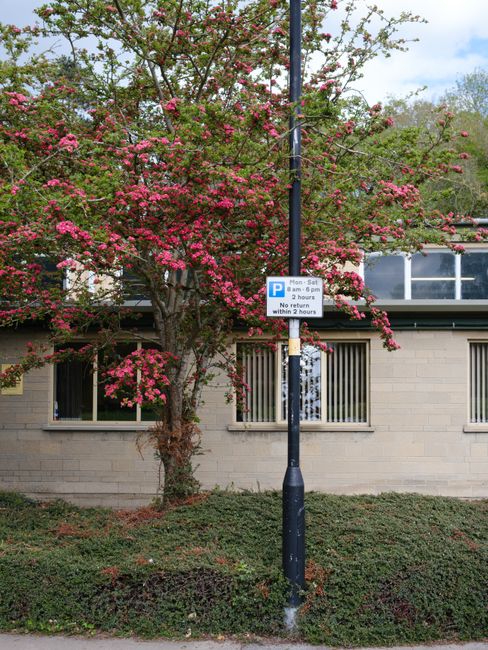
Hillingdon Council parking rules for Ickenham removals vans: a practical guide for smoother moves
If you are organising a move in Ickenham, the last thing you want is a removals van circling the street while everyone else is trying to get on with their day. The parking situation can make or break the whole move. Hillingdon Council parking rules for Ickenham removals vans affect where a van can stop, how long it can stay, and whether loading is allowed at all. Get it wrong and you can end up with delays, upset neighbours, or a penalty notice. Get it right and the day feels calmer, quicker, and much less chaotic. That is what this guide is for.
Below, you will find a clear explanation of how local parking normally works, what to check before move day, what counts as good practice, and how to avoid the little mistakes that cause the biggest headaches. I will also flag the bits people often overlook, because to be fair, parking rules are rarely the glamorous part of a house move. But they are usually the part that matters most when the van turns up.
Why Hillingdon Council parking rules for Ickenham removals vans matters
Parking rules are not just an admin detail. They shape the whole moving experience. In a place like Ickenham, where roads can be busy, narrower than you hoped, or already lined with parked cars, the location of the van can affect how fast everything is loaded and unloaded. If the van cannot stop close to the property, removal teams may need to carry items farther, which takes longer and increases the risk of knocks, scrapes, and tired backs. Nobody wants to carry a wardrobe further than necessary. It is one of those things that sounds minor until you are doing it at 8:15 in the morning in drizzle.
Parking rules also matter because councils manage road space for everyone, not only removals vehicles. Restrictions may apply on single yellow lines, double yellow lines, controlled parking zones, resident bays, and timed loading bays. Even where stopping for loading is usually permitted, there may be limits on duration, signage requirements, or local enforcement patterns to consider. The practical effect is simple: if you do not plan the parking side properly, the move can be slower and more stressful than it needs to be.
There is also the money side. A badly parked removals van may attract a penalty, and the knock-on cost can go beyond the ticket itself. Extra time, extra labour, or an aborted slot can all add pressure. If you are comparing service options, it helps to think about parking readiness alongside price. Pages like pricing and quotes and man with van in Ickenham are useful starting points if you want to understand how move planning and cost fit together.
How Hillingdon Council parking rules for Ickenham removals vans works
At a practical level, the process comes down to three things: where the van will stop, what restrictions apply there, and whether the stop is genuinely for loading or unloading. Hillingdon Council parking controls can vary street by street, and that is where many people get caught out. One road may allow short loading activity at certain times; the next may be heavily restricted or simply too narrow for a large vehicle to stand safely.
The safest approach is to assume nothing. Check the street outside the property, the surrounding side roads, and any nearby bays that might work for a short stop. If there are marked bays, ask whether the van can fit without blocking traffic or access. If the property sits on a busier road, it may be smarter to plan a shuttle approach from a safer stopping point rather than force the vehicle into a risky position. A good removals team will think about this before they arrive, not after they have already blocked the lane and everyone is frowning.
For local moves, the common parking scenarios tend to be:
- short loading/unloading on unrestricted kerb space where permitted
- using a pay-and-display or shared bay for a brief period where rules allow
- working within resident permit or controlled parking zones if the correct permission exists
- stopping farther away when access is tight and carrying items safely to the van
That last point is important. A removal is not always won by parking directly outside the front door. Sometimes the smarter move is parking where the vehicle is least likely to be challenged and planning the route on foot for the final stretch. For awkward access situations, the articles on access problems on narrow streets and Ickenham High Road removals for narrow access jobs are especially relevant.
Key benefits and practical advantages
Once you understand the parking picture, the benefits are surprisingly clear. First, your move becomes more predictable. The team can plan arrival time, vehicle positioning, and carrying distance with far fewer unknowns. That alone reduces the chance of the day going sideways in the first half-hour. And let's face it, some moves start going wrong before the kettle has even been unpacked.
Second, better parking planning protects your belongings. Fewer awkward manoeuvres and shorter carrying distances usually mean less risk of damage. If you are moving bulky items such as furniture, a sofa, or a piano, that matters even more. You can read more about handling heavier pieces in furniture removals in Ickenham and piano removals in Ickenham.
Third, good parking prep helps you manage neighbours and building access more politely. A van that arrives with a plan is less likely to block driveways, sit in a no-stopping area, or force other vehicles to wait awkwardly. That makes a real difference in close-knit residential streets where people notice everything. You know the sort of road: one car door opens, somebody's cycling past, and suddenly everyone becomes very aware of traffic.
Finally, parking preparation can help you choose the right service. If your move needs fast loading, permit-aware planning, or flexible timing, a local specialist may be a better fit than a generic option. Pages like removal services in Ickenham, man and van in Ickenham, and house removals in Ickenham can help you compare what kind of support matches the job.
Who this is for and when it makes sense
This guidance is for anyone moving in or around Ickenham where van parking might be tight, regulated, or uncertain. That includes homeowners, tenants, students, landlords, and businesses relocating office equipment. It also matters if you are moving at a busy time of day, on a school run route, or from a property with limited frontage.
You will find it especially helpful if any of the following apply:
- your road has controlled parking or resident-only bays
- the property sits on a narrow street or busy through road
- you are moving bulky furniture, fragile items, or heavy boxes
- the removal van may need to stop for more than a few minutes
- you have a flat, maisonette, or upstairs property with no easy frontage
- you need a same-day move and cannot afford avoidable delays
For smaller moves, a flexible vehicle choice can make parking easier. For bigger jobs, it may be worth planning the van position as carefully as the packing itself. If you are still building your move plan, the articles on flat removals in Ickenham, student removals in Ickenham, and office removals in Ickenham are useful for different move types.
Step-by-step guidance
If you want the day to run smoothly, use a simple process. Nothing fancy. Just a proper plan.
- Inspect the street before move day. Check the property frontage, road width, nearby junctions, and any signs showing waiting or loading restrictions. Do not rely on memory alone. Streets can look different at 7 a.m. than they do on a quiet Sunday afternoon.
- Identify the safest loading point. The nearest bay is not always the best bay. A legal stop that allows safe access is better than a risky stop that saves twenty seconds.
- Confirm the van size and access needs. A larger removal van may not suit every Ickenham street. If access is tight, ask whether a smaller vehicle, shuttle loading, or staggered load is more sensible.
- Match timing to restrictions. Some streets are easier at certain times of day. A midday slot may be calmer than an early morning one if commuter parking is a problem.
- Pack in loading order. Put first-out items near the door, then heavier furniture, then mixed boxes. That shortens the van-side handling time and keeps the team moving.
- Keep documents and contact details ready. If a permit, building manager, or neighbour needs to be consulted, have the details ready before the van arrives.
- Build in a small buffer. Parking always seems simple until someone is in your intended bay, or a delivery lorry has a different idea. A little slack helps.
If you want the packing side to run more efficiently alongside parking planning, the article on creating an organised packing plan for a stress-free home move is a good companion read. And if you need a reminder about loading technique, kinetic lifting techniques and solo lifting safety tips are worth a look too.
Expert tips for better results
In our experience, the best move days are the ones where the parking plan is treated like part of the job, not a side issue. That means speaking about it early, writing down the details, and checking the street conditions close to the day rather than relying on a vague assumption from two weeks before.
Here are a few practical tips that make a real difference:
- Take photos of the parking area. A quick picture of signs, road markings, or the frontage can help everyone stay on the same page.
- Choose a realistic arrival window. If morning parking is likely to be tight, a slightly later start may be smoother. Pages like we will deliver at the best time for you are useful when timing matters.
- Use short, clear labels on boxes. When unloading is easier to organise, the van can move away sooner, which is helpful in restricted streets.
- Keep the route from property to van clear. Shoes, plant pots, bins, and loose bags get in the way more than you think. It sounds obvious. People still trip over them.
- Ask about the loading sequence. Heavy or awkward furniture may need to be loaded first depending on the parking position and access path.
For larger or more delicate items, you may also want to look at moving your bed and mattress efficiently and why moving a piano is not a solo task. Both are useful reminders that access planning and handling technique belong together.
Common mistakes to avoid
The biggest mistakes are often the simplest ones. The first is assuming "just stopping for a minute" is always fine. In some locations it may be, but in others that minute can turn into a ticket or a blocked road. The second is ignoring the street layout and hoping the van can squeeze in. Truth be told, hope is not a parking strategy.
Other common errors include:
- forgetting to check whether the bay is resident-only or time-restricted
- planning a large van for a street that only works with a smaller vehicle
- leaving parking checks until the van is already on site
- not warning neighbours or building management when a loading stop may affect access
- packing everything tightly but forgetting the loading order
- assuming the quiet side road will always be available
Some moves also go wrong because the customer focuses only on the destination address and forgets the route into the area. For example, a property may look straightforward on a map, but the approach road may be awkward for larger vehicles. That is why local familiarity matters. If you are comparing providers, removal companies in Ickenham and removal van in Ickenham pages can help you assess whether a team understands the area well enough.
Tools, resources and recommendations
You do not need specialist equipment to handle parking planning well, but a few simple tools help a lot. A printed move plan, phone notes, a street photo, and clear timing are often enough. If you are managing a larger home move, add a room-by-room load list and a checklist for final access checks.
Useful internal resources on this site include:
- packing and boxes in Ickenham for making loading quicker
- removals in Ickenham for a broader service overview
- services overview if you want to compare move types
- storage in Ickenham if parking delays mean your move needs staging
- same day removals in Ickenham when timing is tight and every minute counts
For practical moving preparation, also look at package your items and wait for us to come and booking confusion solved: insider tips for scheduling. Both can help reduce the chance of a rushed loading day, which is usually when parking issues become a mess.
Law, compliance, standards, or best practice
Parking rules in this context are about respecting local restrictions, road safety, and loading discipline. In the UK, stopping or waiting restrictions can be enforced even if the van is only there briefly. That is why it is sensible to treat every marked restriction seriously rather than assuming removals work is exempt. In practice, the details can vary by street and by time, so careful checking is the safest approach.
Best practice also means keeping access safe for pedestrians, cyclists, and other drivers. A removals van should not block driveways, narrow pavements, or emergency access routes. If the area is tight, it is better to move the van slightly farther away and carry items in a controlled way than to squeeze into a risky position.
Removal teams also have a duty to handle items carefully and work safely. That includes sensible lifting, sensible routing, and sensible parking. If you want to know more about the company's approach to safety and handling, the health and safety policy and insurance and safety pages are worth reading. They help set expectations and reassure you that safety is not an afterthought.
For anyone with a legal or administrative concern around the move itself, the pages on terms and conditions and complaints procedure are there to explain how issues are handled. That sounds formal, but it matters when you want clarity before move day.
Options, methods, or comparison table
Different parking approaches suit different properties. Here is a simple comparison to help you choose what makes sense for your move.
| Approach | Best for | Pros | Watch-outs |
|---|---|---|---|
| Park directly outside | Quiet residential streets with space | Shortest carry distance, fastest loading | May be impossible on restricted or narrow roads |
| Use a nearby legal bay | Controlled streets and shared parking areas | Usually safer and more compliant | Longer carry, may need more time |
| Shuttle loading | Very tight access or busy roads | Reduces risk of blocking traffic | Needs more coordination and labour |
| Timed arrival around restrictions | Areas with peak-time parking pressure | Can avoid the busiest periods | Requires careful scheduling and punctuality |
There is no single perfect method. The right choice depends on the property, the vehicle size, and the time of day. For some jobs, a direct stop works beautifully. For others, the smarter answer is a little less convenient but much more reliable. That is why local judgement matters so much in Ickenham removals.
Case study or real-world example
Here is a realistic example from the kind of situation people often run into. A couple in Ickenham were moving from a first-floor flat on a road with limited frontage and a mix of resident parking spaces. They assumed the van could wait directly outside while they carried things down. On inspection, though, the space outside the building was already limited, and there was a steady flow of passing traffic. It would have been awkward and, frankly, a bit annoying for everyone.
Instead of forcing the issue, the move was adjusted. The team used a safer stopping point a short walk away, loaded the heavier furniture first, and kept the boxes organised by room so unloading was efficient. The carry took a little longer, but the day stayed calm. No back-and-forth panic. No risky parking. No complaints from neighbours. The whole thing just felt more orderly, which is exactly what you want when the hallway is full of cardboard and the kettle is missing.
That kind of flexibility is the real lesson. Parking problems are rarely solved by brute force. They are solved by reading the street properly and making a small change before the problem becomes a bigger one.
Practical checklist
Use this quick checklist before moving day:
- confirm the property address and exact parking position
- check for yellow lines, resident bays, loading restrictions, and timed controls
- take a photo of the road layout if access is uncertain
- agree the vehicle size in advance
- tell the removals team about stairs, lifts, or long carry distances
- prepare a loading order for the main items
- keep building or neighbour access clear
- allow extra time for parking and access checks
- have contact details ready in case the plan needs a quick change
- recheck the street close to the appointment time
Expert summary: the easiest move is usually not the one with the closest parking spot. It is the one with the clearest plan. If you sort the access, parking, and timing before the van arrives, everything else gets simpler.
Conclusion
Hillingdon Council parking rules for Ickenham removals vans can feel fiddly at first, but the logic is straightforward once you break it down. Look at the street. Respect the restrictions. Choose the safest loading position. Give yourself enough time. That small bit of preparation protects your belongings, your schedule, and your sanity. And honestly, that is worth far more than a rushed attempt to save a few minutes.
If you are planning a move and want help with the parking side, the access side, or the practical moving side, it is worth speaking to a local team that understands Ickenham's streets as they really are, not as they look on a map. For tailored help, you can also visit contact us and ask about the best way to handle your move safely and efficiently.
Get a free quote today and see how much you can save.
Frequently Asked Questions
Can a removals van park on double yellow lines in Ickenham?
Sometimes loading or unloading may be allowed on certain restrictions, but you should never assume it is automatically fine. The exact situation depends on the street, the signage, and the enforcement rules in place. It is always safer to check before move day.
Do I need a permit for a removals van in Hillingdon?
Not always, but some streets and parking zones may require specific permissions or make parking difficult without one. The safest approach is to check the location in advance and plan the van position carefully.
What if the removals van cannot park outside my house?
That happens more often than people expect. The team can usually use a nearby legal bay, a safer side street, or a shuttle-loading approach. The key is to plan for that possibility instead of treating it as a surprise.
How far in advance should I check parking for my move?
Ideally a few days before, then again close to move day. Street conditions can change, and parking space that looks available one afternoon may not be usable the next morning.
Are loading and unloading treated the same as parking?
In practice, no. A short stop for loading may be treated differently from ordinary parking, but restrictions still apply. You should always work within the local rules and avoid assuming removals work gives you a free pass.
What is the best time of day for removals parking in Ickenham?
That depends on the street. Quieter times are often easier, especially where commuter parking or school traffic creates pressure. A slightly later start can sometimes make a surprising difference.
Can a large removal van fit on narrow Ickenham roads?
Sometimes yes, sometimes no. Narrow roads are exactly where a local access check matters most. In some cases, a smaller vehicle or shuttle loading is the smarter option.
Will parking problems make my move more expensive?
They can, because extra time and more awkward carrying usually mean more labour. It is not always a dramatic increase, but it can add up if the access issue is severe.
Should I warn my neighbours before moving day?
If the van may affect access, it is a polite and useful thing to do. A quick warning can prevent awkwardness and help keep the day calmer for everyone.
What should I do if a car is parked in my planned loading spot?
Stay flexible. Do not block traffic or force a risky manoeuvre. Use the next safest legal option and, if needed, adjust the loading plan. A little patience usually saves a lot of trouble.
How do I keep a move on schedule if parking is limited?
Pack in loading order, keep the route clear, and allow a buffer in the timetable. If possible, work with a removals team that already understands narrow access and local parking conditions.
Where can I get help planning an Ickenham move?
You can start by looking at the local service pages and asking for advice on access, vehicle size, and timing. A good early conversation often prevents parking issues long before they appear.